---
title: ArangoDB Blog | Graphs
description: Graphs |
---
ArangoDB 3.12 Product Release Announcement! Read the blog for details. [Read Blog](https://arangodb.com/2024/03/arangodb-3-12-performance-for-all-your-data-models/)
[](https://arango.ai)
### Why Graph
[The Rise of Graph](https://arangodb.com/the-rise-of-graph/)
[The Graph ML Gamechanger](https://arangodb.com/the-graph-ml-gamechanger/)
[Consolidate to Graph](https://arangodb.com/graph-vs-relational/)
[Graph DB Basics](https://arangodb.com/graph-database/)
### Products
[Managed Graph DB](https://arangodb.com/arangograph-managedgraphdb/)
[Self-Managed Graph DB](https://arangodb.com/arangograph-selfmanaged/)
[Managed Graph ML](https://arangodb.com/managed-ml-graph/)
[Community Edition](https://arangodb.com/community-server/)
[Compare Products](https://arangodb.com/subscriptions/)
### Solutions
Use Cases
Industries
Solution Accelerators
- [Cyber/Threat Mgmt](https://arangodb.com/solutions/use-cases/cyber-threat-management/)
- [Fraud Detection](https://arangodb.com/solutions/use-cases/fraud-detections/)
- [Supply Chain](https://arangodb.com/solutions/use-cases/supply-chain/)
- [Network Asset Management](https://arangodb.com/solutions/use-cases/network-asset-management/)
- [Customer & Patient 360](https://blog.arangodb.com/solutions/use-case/customer-and-patient-360/)
- [Recommendations](https://arangodb.com/solutions/use-cases/recommendations/)
- [Case Management](https://blog.arangodb.com/solutions/use-case/case-management/)
- [Geospatial Analysis](https://arangodb.com/solutions/use-cases/geospatial/)
- [Master Data Mgmt](https://arangodb.com/solutions/use-cases/master-data-management/)
- [Software & Technology](https://arangodb.com/arangodb-for-software-tech/)
- [Financial Services](https://arangodb.com/arangodb-for-financial-services/)
- [Tele Communication](https://arangodb.com/telecommunications-and-network/)
- [E-commerce](https://arangodb.com/arangodb-for-e-commerce/)
- [Healthcare](https://arangodb.com/arangodb-for-healthcare/)
- [Government](https://arangodb.com/arangodb-for-government/)
- [Aerospace & Defence](https://arangodb.com/arangodb-for-aerospace-defense/)
- [Manufacturing](https://arangodb.com/arangodb-for-manufacturing/)
- [Enterprise Knowledge Graphs](https://arangodb.com/resources/white-papers/enterprise-knowledge-graphs/)
- [Entity Resolution](https://arangodb.com/entity-resolution/)
- [Traceability/Lineage](https://arangodb.com/traceability-and-lineage/)
- [Contexual Relevance](https://arangodb.com/contextual-relevance/)
### Developers
Capabilities
Integrations
Differentiators
- [Graph Traversals](https://arangodb.com/graph-traversals/)
- [Multi-Model DB](https://arangodb.com/multi-model-db/)
- [LLM + Knowledge Graph](https://arangodb.com/llm-knowledge-graph/)
- [Graph ML](https://arangodb.com/managed-ml-graph/)
- [Advanced Geospatial](https://arangodb.com/advanced-geospatial/)
- [Document Store](https://arangodb.com/document-store/)
- [Search Engine](https://arangodb.com/full-text-search-engine/)
- [Security & Compliance](https://arangodb.com/security/)
- [Data Masking](https://arangodb.com/Data-masking/)
- [Key/Value DB](https://arangodb.com/integrated-key-value-support/)
- [Clients / Languages](https://arangodb.com/clients-languages/)
- [BI Tools](https://arangodb.com/bi-tools-support/)
- [Containers](https://arangodb.com/container-support/)
- [Community driven](https://arangodb.com/community-driven/)
- [Model Flexibility](https://arangodb.com/model-flexibility/)
- [Graph Scalability](https://arangodb.com/graph-scalability/)
- [Performance at Scale](https://arangodb.com/performance-at-scale/)
- [Highest Availability](https://arangodb.com/highest-availability/)
- [Unified Query Language](https://arangodb.com/unified-query-languageaql/)
- [Graph + Native Document](https://arangodb.com/graph-document/)
- [Graph + Native Search](https://arangodb.com/graph-search/)
- [Cost Effective](https://arangodb.com/cost-effective-development-operation/)
- [Full Geospatial](https://arangodb.com/full-geospatial/)
### Customers
[All Case Studies](https://arangodb.com/solutions/solutions-customers/#all)
[Government & Cyber](https://arangodb.com/solutions/solutions-customers/#Government-Cyber)
[Manufacturing & Supply Chain](https://arangodb.com/solutions/solutions-customers/#Manufacturing-Supply-Chain)
[Healthcare & Science](https://arangodb.com/solutions/solutions-customers/#Healthcare-Science)
[Retail & Commerce](https://arangodb.com/solutions/solutions-customers/#Retail-Commerce)
[Technology](https://arangodb.com/solutions/solutions-customers/#Technology)
[Education](https://arangodb.com/solutions/solutions-customers/#Education)
[Telco](https://arangodb.com/solutions/solutions-customers/#Telco)
[Financial Services](https://arangodb.com/solutions/solutions-customers/#Financial-Services)
### Learn
[Documentation](https://docs.arangodb.com/stable/)
[Developer Hub](https://developer.arangodb.com/)
[ArangoDB University](https://university.arangodb.com/)
[Blog](https://arangodb.com/blog/)
[Certification](https://arangodb.com/learn/certification/)
[Community](https://arangodb.com/community/)
[Events](https://arangodb.com/events/)
[Resources](https://arangodb.com/resources/)
[Training Center](https://arangodb.com/learn/)
### Company
[About Us](https://arangodb.com/about-us/)
[Team](https://arangodb.com/about-arangodb/)
[Partners](https://arangodb.com/partners/)
[News](https://arangodb.com/news/)
[Careers](https://arangodb.applytojob.com/apply)
### Pricing
- Why Graph
- [The Rise of Graph](https://arangodb.com/the-rise-of-graph/)
- [The Graph ML Gamechanger](https://arangodb.com/the-graph-ml-gamechanger/)
- [Consolidate to Graph](https://arangodb.com/graph-vs-relational/)
- [Graph DB Basics](https://arangodb.com/graph-database/)
- Products
- [Managed Graph DB](https://arangodb.com/arangograph-managedgraphdb/)
- [Self-Managed Graph DB](https://arangodb.com/arangograph-selfmanaged/)
- [Managed Graph ML](https://arangodb.com/managed-ml-graph/)
- [Community Edition](https://arangodb.com/community-server/)
- [Compare Products](https://arangodb.com/subscriptions/)
- Solutions
- Use Cases
- [Cyber/Threat Mgmt](https://arangodb.com/solutions/use-cases/cyber-threat-management/)
- [Fraud Detection](https://arangodb.com/solutions/use-cases/fraud-detections/)
- [Supply Chain](https://arangodb.com/solutions/use-cases/supply-chain/)
- [Network Asset Management](https://arangodb.com/solutions/use-cases/network-asset-management/)
- [Customer & Patient 360](https://arangodb.com/solutions/use-cases/customer-and-patient-360/)
- [Recommendations](https://arangodb.com/solutions/use-cases/recommendations/)
- [Case Management](https://arangodb.com/solutions/use-cases/case-management/)
- [Geospatial Analysis](https://arangodb.com/solutions/use-cases/geospatial/)
- [Master Data Mgmt](https://arangodb.com/solutions/use-cases/master-data-management/)
- Industries
- [Software & Technology](https://arangodb.com/arangodb-for-software-tech/)
- [Financial Services](https://arangodb.com/arangodb-for-financial-services/)
- [Tele Communication](https://arangodb.com/telecommunications-and-network/)
- [E-commerce](https://arangodb.com/arangodb-for-e-commerce/)
- [Healthcare](https://arangodb.com/arangodb-for-healthcare/)
- [Government](https://arangodb.com/arangodb-for-government/)
- [Aerospace & Defence](https://arangodb.com/arangodb-for-aerospace-defense/)
- [Manufacturing](https://arangodb.com/arangodb-for-manufacturing/)
- Solution Accelerators
- [Enterprise Knowledge Graphs](https://arangodb.com/resources/white-papers/enterprise-knowledge-graphs/)
- [Entity Resolution](https://arangodb.com/entity-resolution/)
- [Traceability/Lineage](https://arangodb.com/traceability-and-lineage/)
- [Contexual Relevance](https://arangodb.com/contextual-relevance/)
- Customers
- [All Case Studies](https://arangodb.com/solutions/solutions-customers/#all)
- [Government & Cyber](https://arangodb.com/solutions/solutions-customers/#Government-Cyber)
- [Manufacturing & Supply Chain](https://arangodb.com/solutions/solutions-customers/#Manufacturing-Supply-Chain)
- [Healthcare & Science](https://arangodb.com/solutions/solutions-customers/#Healthcare-Science)
- [Retail & Commerce](https://arangodb.com/solutions/solutions-customers/#Retail-Commerce)
- [Technology](https://arangodb.com/solutions/solutions-customers/#Technology)
- [Education](https://arangodb.com/solutions/solutions-customers/#Education)
- [Telco](https://arangodb.com/solutions/solutions-customers/#Telco)
- [Financial Services](https://arangodb.com/solutions/solutions-customers/#Financial-Services)
- Learn
- [Documentation](https://docs.arangodb.com/stable/)
- [Developer Hub](https://developer.arangodb.com/)
- [ArangoDB University](https://university.arangodb.com/)
- [Blog](https://arangodb.com/blog/)
- [Certification](https://arangodb.com/learn/certification/)
- [Community](https://arangodb.com/community/)
- [Events](https://arangodb.com/events/)
- [Resources](https://arangodb.com/resources/)
- [Training Center](https://arangodb.com/learn/)
- Company
- [About Us](https://arangodb.com/about-us/)
- [Team](https://arangodb.com/about-arangodb/)
- [Partners](https://arangodb.com/partners/)
- [News](https://arangodb.com/news/)
- [Careers](https://arangodb.applytojob.com/apply)
- [Pricing](https://arangodb.com/download-major/pricing/)
[**Start Free** ArangoGraph Cloud](https://dashboard.arangodb.cloud/signup?acceptedTermsAndConditions=1)
[**Download Now** ArangoDB Enterprise](https://arangodb.com/download-arangodb-enterprise/)

## [The world is a graph: How Fix reimagines cloud security using a graph in ArangoDB](https://blog.arangodb.com/blog/2024/02/the-world-is-a-graph-how-fix-reimagines-cloud-security-using-a-graph-in-arangodb)
February 07, 2024
Tags: [Cloud](https://blog.arangodb.com/blog/topic/cloud), [Security](https://blog.arangodb.com/blog/topic/security), [Graph](https://blog.arangodb.com/blog/topic/graph), [Graphs](https://blog.arangodb.com/blog/topic/graphs)
Estimated reading time: 5 minutes
‘Guest Blog’
Estimated reading time: 5 minutes
In 2015, John Lambers, a Corporate Vice President and Security Fellow at Microsoft [wrote](https://github.com/JohnLaTwC/Shared/blob/master/Defenders) “Defenders think in lists. Attackers think in graphs. As long as this is true, attackers win.ˮ
The original problem in cloud security is visibility into my assets. If security engineers donʼt know what cloud services are running, they canʼt protect an environment. Unfortunately, first generation cloud security products were built with a list mindset, i.e. “rows and columnsˮ. They generate a list of assets and their configurations – but show no context of..
[(more…)](https://blog.arangodb.com/blog/2024/02/the-world-is-a-graph-how-fix-reimagines-cloud-security-using-a-graph-in-arangodb)
## [Reintroducing the ArangoDB-RDF Adapter](https://blog.arangodb.com/blog/2024/02/reintroducing-the-arangodb-rdf-adapter)
January 31, 2024
Tags: [turtle](https://blog.arangodb.com/blog/topic/turtle), [Data Science](https://blog.arangodb.com/blog/topic/data-science), [semantic web](https://blog.arangodb.com/blog/topic/semantic-web), [adapter](https://blog.arangodb.com/blog/topic/adapter), [Graph](https://blog.arangodb.com/blog/topic/graph), [Graphs](https://blog.arangodb.com/blog/topic/graphs), [RDF](https://blog.arangodb.com/blog/topic/rdf), [resource description framework](https://blog.arangodb.com/blog/topic/resource-description-framework)
Estimated reading time: 2 minutes
Estimated reading time: 1 minute
[ArangoRDF](https://docs.arangodb.com/stable/data-science/adapters/arangodb-rdf-adapter/) allows you to export Graphs from ArangoDB into [RDFLib](https://github.com/RDFLib/rdflib#readme), the standard library for working with Resource Description Framework (RDF) in Python, and vice-versa.
[(more…)](https://blog.arangodb.com/blog/2024/02/reintroducing-the-arangodb-rdf-adapter)
## [Introducing ArangoDB’s Data Loader : Revolutionizing Your Data Migration Experience](https://blog.arangodb.com/blog/2023/12/introducing-arangodbs-data-loader-revolutionizing-your-data-migration-experience)
December 14, 2023
Tags: [Graph DB](https://blog.arangodb.com/blog/topic/graph-db), [Data Loader](https://blog.arangodb.com/blog/topic/data-loader), [— Relational Database](https://blog.arangodb.com/blog/topic/-relational-database), [Graph](https://blog.arangodb.com/blog/topic/graph), [Graphs](https://blog.arangodb.com/blog/topic/graphs), [Relational Database](https://blog.arangodb.com/blog/topic/relational-database), [graph database](https://blog.arangodb.com/blog/topic/graph-database), [Graph DBs](https://blog.arangodb.com/blog/topic/graph-dbs), [GraphDB](https://blog.arangodb.com/blog/topic/graphdb), [Migrate to Graph](https://blog.arangodb.com/blog/topic/migrate-to-graph)
Estimated reading time: 7 minutes
At ArangoDB, our commitment to empowering companies, developers, and data enthusiasts with cutting edge tools and resources remains unwavering. Today, we’re thrilled to unveil our latest innovation, the Data Loader, a game-changing feature designed to simplify and streamline the migration of relational databases to ArangoGraph. Let’s dive into what makes Data Loader a must-have tool for your data migration needs.
[(more…)](https://blog.arangodb.com/blog/2023/12/introducing-arangodbs-data-loader-revolutionizing-your-data-migration-experience)
## [Introducing the ArangoDB-PyG Adapter](https://blog.arangodb.com/blog/2022/08/introducing-the-arangodb-pyg-adapter)
August 04, 2022
Tags: [ArangoML](https://blog.arangodb.com/blog/topic/arangoml), [Machine Learning](https://blog.arangodb.com/blog/topic/machine-learning), [how to](https://blog.arangodb.com/blog/topic/how-to), [Graphs](https://blog.arangodb.com/blog/topic/graphs), [General](https://blog.arangodb.com/blog/topic/general), [Graph Neural Networks](https://blog.arangodb.com/blog/topic/graph-neural-networks), [PyG](https://blog.arangodb.com/blog/topic/pyg), [pytorch](https://blog.arangodb.com/blog/topic/pytorch), [PyTorch Geometric](https://blog.arangodb.com/blog/topic/pytorch-geometric), [torch](https://blog.arangodb.com/blog/topic/torch)
Estimated reading time: 1 minutes
Estimated reading time: 10 minutes
We are proud to announce the GA 1.0 release of the [ArangoDB-PyG Adapter](https://pypi.org/project/adbpyg-adapter/)!
*The ArangoDB-PyG Adapter exports Graphs from ArangoDB, the multi-model database for graph & beyond, into PyTorch Geometric (PyG), a PyTorch-based Graph Neural Network library, and vice-versa.*
On July 29 2022, we introduced the first release of the PyTorch Geometric Adapter to the ArangoML community. We are proud to have PyG as the fourth member of our ArangoDB Adapter Family. You can expect the same developer-friendly adapter options and a helpful getting-started guide via Jupyter..
[(more…)](https://blog.arangodb.com/blog/2022/08/introducing-the-arangodb-pyg-adapter)
## [Integrate ArangoDB with PyTorch Geometric to Build Recommendation Systems](https://blog.arangodb.com/blog/2022/04/integrate-arangodb-with-pytorch-geometric-to-build-recommendation-systems)
April 06, 2022
Tags: [ArangoML](https://blog.arangodb.com/blog/topic/arangoml), [Machine Learning](https://blog.arangodb.com/blog/topic/machine-learning), [Graph](https://blog.arangodb.com/blog/topic/graph), [how to](https://blog.arangodb.com/blog/topic/how-to), [Graphs](https://blog.arangodb.com/blog/topic/graphs), [General](https://blog.arangodb.com/blog/topic/general), [recommendation](https://blog.arangodb.com/blog/topic/recommendation), [pytorch](https://blog.arangodb.com/blog/topic/pytorch)
Estimated reading time: 1 minutes
Estimated reading time: 20 minutes
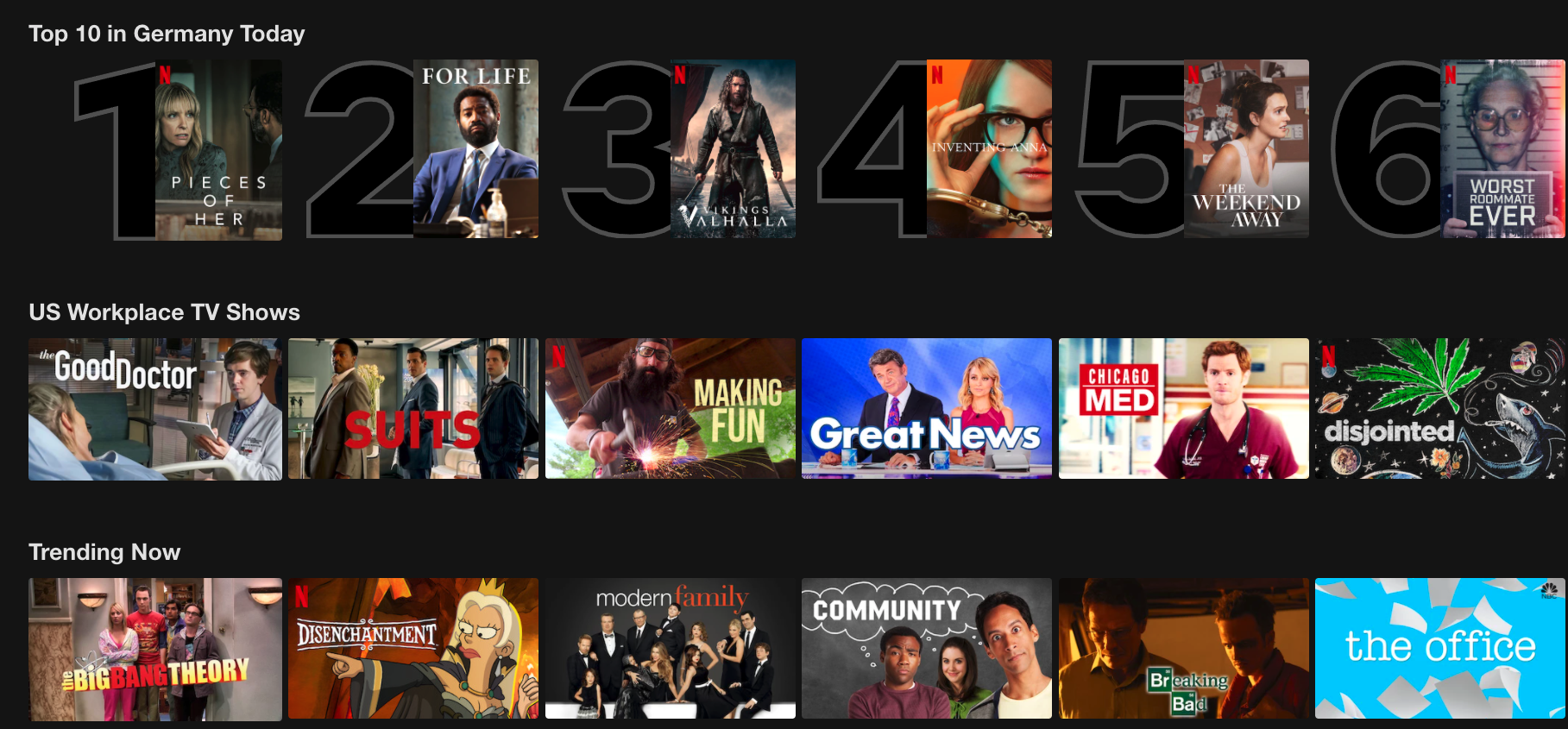
In this blog post, we will build a complete movie recommendation application using [ArangoDB](https://www.arangodb.com/) and [PyTorch Geometric](https://pytorch-geometric.readthedocs.io/en/latest/). We will tackle the challenge of building a movie recommendation application by transforming it into the task of link prediction. Our goal is to predict missing links between a user and the movies they have not watched yet.
Run this notebook yourself: [https://colab.research.google.com/github/arangodb/interactive\_tutorials/blob/master/notebooks/Integrate\_ArangoDB\_with\_PyG.ipynb](https://colab.research.google.com/github/arangodb/interactive_tutorials/blob/master/notebooks/Integrate_ArangoDB_with_PyG.ipynb)
[(more…)](https://blog.arangodb.com/blog/2022/04/integrate-arangodb-with-pytorch-geometric-to-build-recommendation-systems)
## [A Comprehensive Case-Study of GraphSage using PyTorchGeometric and Open-Graph-Benchmark](https://blog.arangodb.com/blog/2021/08/a-comprehensive-case-study-of-graphsage-using-pytorchgeometric)
August 13, 2021
Tags: [ArangoML](https://blog.arangodb.com/blog/topic/arangoml), [Machine Learning](https://blog.arangodb.com/blog/topic/machine-learning), [Graph](https://blog.arangodb.com/blog/topic/graph), [how to](https://blog.arangodb.com/blog/topic/how-to), [Graphs](https://blog.arangodb.com/blog/topic/graphs), [General](https://blog.arangodb.com/blog/topic/general), [graphsage](https://blog.arangodb.com/blog/topic/graphsage), [python](https://blog.arangodb.com/blog/topic/python), [pytorch](https://blog.arangodb.com/blog/topic/pytorch), [ML](https://blog.arangodb.com/blog/topic/ml)
Estimated reading time: 1 minutes
Estimated reading time: 15 minute
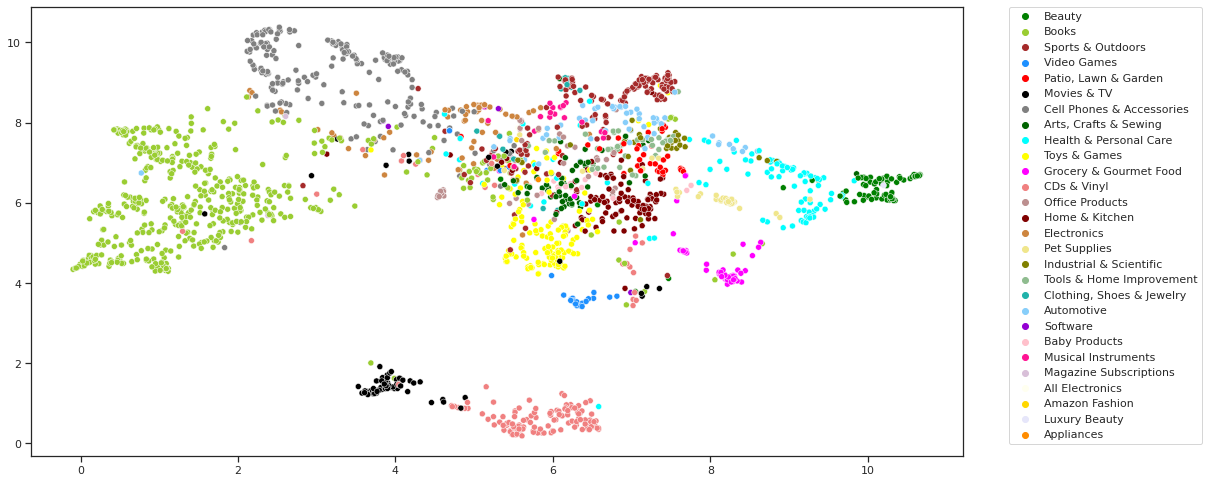
This blog post provides a comprehensive study on the theoretical and practical understanding of [GraphSage](https://arxiv.org/abs/1706.02216), this notebook will cover:
- What is GraphSage
- Neighbourhood Sampling
- Getting Hands-on Experience with GraphSage and PyTorch Geometric Library
- Open-Graph-Benchmark’s Amazon Product Recommendation Dataset
- Creating and Saving a model
- Generating Graph Embeddings Visualizations and Observations
[(more…)](https://blog.arangodb.com/blog/2021/08/a-comprehensive-case-study-of-graphsage-using-pytorchgeometric)
## [Community Notebook Challenge](https://blog.arangodb.com/blog/2021/08/community-notebook-challenge)
August 13, 2021
Tags: [Fraud Detection](https://blog.arangodb.com/blog/topic/fraud-detection), [AQL](https://blog.arangodb.com/blog/topic/aql), [Query Language](https://blog.arangodb.com/blog/topic/query-language), [Graph](https://blog.arangodb.com/blog/topic/graph), [how to](https://blog.arangodb.com/blog/topic/how-to), [Graphs](https://blog.arangodb.com/blog/topic/graphs), [General](https://blog.arangodb.com/blog/topic/general)
Estimated reading time: 2 minutes
Calling all Community Members! 🥑
Today we are excited to announce our **Community Notebook Challenge**.
What is our Notebook Challenge you ask? Well, this blog post is going to catch you up to speed and get you excited to participate and have the chance to win the grand prize: a pair of custom Apple Airpod Pros.
Our [Interactive Tutorials](https://github.com/arangodb/interactive_tutorials) repository has a library of python notebooks available covering the full spectrum of ArangoDB features. Although we cover a lot of topics, something is missing… **YOUR** notebook! As announced in our July Newsletter on July 29th and running until October 31st, the **..**
[(more…)](https://blog.arangodb.com/blog/2021/08/community-notebook-challenge)
## [ArangoML Series: Multi-Model Collaboration](https://blog.arangodb.com/blog/2021/01/arangoml-series-multi-model-collaboration)
January 26, 2021
Tags: [ArangoML](https://blog.arangodb.com/blog/topic/arangoml), [Machine Learning](https://blog.arangodb.com/blog/topic/machine-learning), [Graph](https://blog.arangodb.com/blog/topic/graph), [Graphs](https://blog.arangodb.com/blog/topic/graphs), [General](https://blog.arangodb.com/blog/topic/general), [python](https://blog.arangodb.com/blog/topic/python)
Estimated reading time: 9 minutes
Estimated reading time: 8 minutes
**Multi-Model Machine Learning**
This article looks at how a team collaborating on a real-world machine learning project benefits from using a multi-model database for capturing ML meta-data.
The specific points discussed in this article are how:
- The graph data model is superior to relational for ML meta-data storage.
- Storing ML experiment objects is natural with multi-model.
- ArangoML promotes collaboration due to the flexibility of multi-model.
- ArangoML provides ops logging and performance analysis.
[(more…)](https://blog.arangodb.com/blog/2021/01/arangoml-series-multi-model-collaboration)
## [ArangoML Series: Intro to NetworkX Adapter](https://blog.arangodb.com/blog/2020/11/arangoml-series-intro-to-networkx-adapter)
November 17, 2020
Tags: [ArangoML](https://blog.arangodb.com/blog/topic/arangoml), [arangopipe](https://blog.arangodb.com/blog/topic/arangopipe), [Machine Learning](https://blog.arangodb.com/blog/topic/machine-learning), [Graph](https://blog.arangodb.com/blog/topic/graph), [how to](https://blog.arangodb.com/blog/topic/how-to), [Graphs](https://blog.arangodb.com/blog/topic/graphs), [General](https://blog.arangodb.com/blog/topic/general), [networkx](https://blog.arangodb.com/blog/topic/networkx), [python](https://blog.arangodb.com/blog/topic/python)
Estimated reading time: 4 minutes
Estimated reading time: 3 minutes
This post is the fifth in a series of posts introducing the ArangoML features and tools. This post introduces the NetworkX adapter, which makes it easy to analyze your graphs stored in ArangoDB with NetworkX.
In this post we:
- Briefly introduce NetworkX
- Explore the IMDB user rating dataset
- Showcase the ArangoDB integration of NetworkX
- Explore the centrality measures of the data using NetworkX
- Store the experiment with arangopipe
This notebook is just a slice of the full-sized notebook available in the ArangoDB NetworkX adapter repository. It is summarized..
[(more…)](https://blog.arangodb.com/blog/2020/11/arangoml-series-intro-to-networkx-adapter)
## [ArangoML Part 4: Detecting Covariate Shift in Datasets](https://blog.arangodb.com/blog/2020/11/arangoml-part-4-detecting-covariate-shift-in-datasets)
November 05, 2020
Tags: [ArangoML](https://blog.arangodb.com/blog/topic/arangoml), [Machine Learning](https://blog.arangodb.com/blog/topic/machine-learning), [Graphs](https://blog.arangodb.com/blog/topic/graphs), [General](https://blog.arangodb.com/blog/topic/general)
Estimated reading time: 2 minutes
Estimated reading time: 1 minute
This post is the fourth in a series of posts introducing ArangoML and showcasing its benefits to your machine learning pipelines. Until now, we have focused on ArangoML’s ability to capture metadata for your machine learning projects, but it does much more.
In this post we:
- Introduce the concept of covariate shift in datasets
- Showcase the built-in dataset shift detection API
[(more…)](https://blog.arangodb.com/blog/2020/11/arangoml-part-4-detecting-covariate-shift-in-datasets)
«
[1](https://blog.arangodb.com/blog/topic/graphs/page/1) [2](https://blog.arangodb.com/blog/topic/graphs/page/2) [3](https://blog.arangodb.com/blog/topic/graphs/page/3)
[»](https://blog.arangodb.com/blog/topic/graphs/page/2)
Get the latest tutorials,
blog posts and news:
Tags
- [General](https://blog.arangodb.com/blog/topic/general)
- [Release](https://blog.arangodb.com/blog/topic/release)
- [Community](https://blog.arangodb.com/blog/topic/community)
- [Releases](https://blog.arangodb.com/blog/topic/releases)
- [Performance](https://blog.arangodb.com/blog/topic/performance)
- [Tutorial](https://blog.arangodb.com/blog/topic/tutorial)
- [Foxx](https://blog.arangodb.com/blog/topic/foxx)
- [AQL](https://blog.arangodb.com/blog/topic/aql)
- [API](https://blog.arangodb.com/blog/topic/api)
- [Newsletter](https://blog.arangodb.com/blog/topic/newsletter)
- [Cluster](https://blog.arangodb.com/blog/topic/cluster)
- [Graph](https://blog.arangodb.com/blog/topic/graph)
- [Graphs](https://blog.arangodb.com/blog/topic/graphs)
- [Documentation](https://blog.arangodb.com/blog/topic/documentation)
- [Javascript](https://blog.arangodb.com/blog/topic/javascript)
- [Query Language](https://blog.arangodb.com/blog/topic/query-language)
- [Architecture](https://blog.arangodb.com/blog/topic/architecture)
- [NoSQL](https://blog.arangodb.com/blog/topic/nosql)
- [Enterprise](https://blog.arangodb.com/blog/topic/enterprise)
- [Ruby](https://blog.arangodb.com/blog/topic/ruby)
- [RocksDB](https://blog.arangodb.com/blog/topic/rocksdb)
- [testing](https://blog.arangodb.com/blog/topic/testing)
- [ArangoML](https://blog.arangodb.com/blog/topic/arangoml)
- [Machine Learning](https://blog.arangodb.com/blog/topic/machine-learning)
- [Benchmark](https://blog.arangodb.com/blog/topic/benchmark)
- [Java](https://blog.arangodb.com/blog/topic/java)
- [driver](https://blog.arangodb.com/blog/topic/driver)
- [multi-model](https://blog.arangodb.com/blog/topic/multi-model)
- [geo](https://blog.arangodb.com/blog/topic/geo)
- [how to](https://blog.arangodb.com/blog/topic/how-to)
- [Drivers](https://blog.arangodb.com/blog/topic/drivers)
- [PHP](https://blog.arangodb.com/blog/topic/php)
- [Security](https://blog.arangodb.com/blog/topic/security)
- [nodejs](https://blog.arangodb.com/blog/topic/nodejs)
- [python](https://blog.arangodb.com/blog/topic/python)
- [ArangoSearch](https://blog.arangodb.com/blog/topic/arangosearch)
- [Kubernetes](https://blog.arangodb.com/blog/topic/kubernetes)
- [Presentation](https://blog.arangodb.com/blog/topic/presentation)
- [open-source](https://blog.arangodb.com/blog/topic/open-source)
- [Future-of-nosql](https://blog.arangodb.com/blog/topic/future-of-nosql)
- [GitHub](https://blog.arangodb.com/blog/topic/github)
- [ARM: Raspberry + Co.](https://blog.arangodb.com/blog/topic/arm-raspberry-co-)
- [Fraud Detection](https://blog.arangodb.com/blog/topic/fraud-detection)
- [Managed Service](https://blog.arangodb.com/blog/topic/managed-service)
- [arangosh](https://blog.arangodb.com/blog/topic/arangosh)
- [C++](https://blog.arangodb.com/blog/topic/c)
- [Cloud](https://blog.arangodb.com/blog/topic/cloud)
- [Conferences](https://blog.arangodb.com/blog/topic/conferences)
- [Data Science](https://blog.arangodb.com/blog/topic/data-science)
- [HTTP](https://blog.arangodb.com/blog/topic/http)
- [ML](https://blog.arangodb.com/blog/topic/ml)
- [Pregel](https://blog.arangodb.com/blog/topic/pregel)
- [Replication](https://blog.arangodb.com/blog/topic/replication)
- [WebUI](https://blog.arangodb.com/blog/topic/webui)
- [graph database](https://blog.arangodb.com/blog/topic/graph-database)
- [monitoring](https://blog.arangodb.com/blog/topic/monitoring)
- [pytorch](https://blog.arangodb.com/blog/topic/pytorch)
- [Application Server](https://blog.arangodb.com/blog/topic/application-server)
- [ArangoGraphML](https://blog.arangodb.com/blog/topic/arangographml)
- [Community Edition](https://blog.arangodb.com/blog/topic/community-edition)
- [Compliance](https://blog.arangodb.com/blog/topic/compliance)
- [Linux](https://blog.arangodb.com/blog/topic/linux)
- [Publication](https://blog.arangodb.com/blog/topic/publication)
- [Relational Database](https://blog.arangodb.com/blog/topic/relational-database)
- [SOC 2](https://blog.arangodb.com/blog/topic/soc-2)
- [Windows](https://blog.arangodb.com/blog/topic/windows)
- [licensing](https://blog.arangodb.com/blog/topic/licensing)
- [networkx](https://blog.arangodb.com/blog/topic/networkx)
- [storage](https://blog.arangodb.com/blog/topic/storage)
- [ARM](https://blog.arangodb.com/blog/topic/arm)
- [Alliances](https://blog.arangodb.com/blog/topic/alliances)
- [ArangoDB Cloud](https://blog.arangodb.com/blog/topic/arangodb-cloud)
- [ArangoSync](https://blog.arangodb.com/blog/topic/arangosync)
- [Arangograph](https://blog.arangodb.com/blog/topic/arangograph)
- [CNFC](https://blog.arangodb.com/blog/topic/cnfc)
- [DC/OS](https://blog.arangodb.com/blog/topic/dc-os)
- [DGL Adaptor](https://blog.arangodb.com/blog/topic/dgl-adaptor)
- [Data Loader](https://blog.arangodb.com/blog/topic/data-loader)
- [Dev Days 2021](https://blog.arangodb.com/blog/topic/dev-days-2021)
- [Developer Hub](https://blog.arangodb.com/blog/topic/developer-hub)
- [Funding Announcement](https://blog.arangodb.com/blog/topic/funding-announcement)
- [GO](https://blog.arangodb.com/blog/topic/go)
- [GenAI](https://blog.arangodb.com/blog/topic/genai)
- [Graph DB](https://blog.arangodb.com/blog/topic/graph-db)
- [Graph DBs](https://blog.arangodb.com/blog/topic/graph-dbs)
- [Graph Databases](https://blog.arangodb.com/blog/topic/graph-databases)
- [Graph Neural Networks](https://blog.arangodb.com/blog/topic/graph-neural-networks)
- [GraphDB](https://blog.arangodb.com/blog/topic/graphdb)
- [Inside ArangoDB](https://blog.arangodb.com/blog/topic/inside-arangodb)
- [Intel](https://blog.arangodb.com/blog/topic/intel)
- [Intel PyG](https://blog.arangodb.com/blog/topic/intel-pyg)
- [Intel Xeon CPU](https://blog.arangodb.com/blog/topic/intel-xeon-cpu)
- [KG](https://blog.arangodb.com/blog/topic/kg)
- [Knowledge Graphs](https://blog.arangodb.com/blog/topic/knowledge-graphs)
- [LLM](https://blog.arangodb.com/blog/topic/llm)
- [Large Language Models](https://blog.arangodb.com/blog/topic/large-language-models)
- [Migrate to Graph](https://blog.arangodb.com/blog/topic/migrate-to-graph)
- [NetworkX Adaptor](https://blog.arangodb.com/blog/topic/networkx-adaptor)
- [Oasis](https://blog.arangodb.com/blog/topic/oasis)
- [Partners](https://blog.arangodb.com/blog/topic/partners)
- [PyG](https://blog.arangodb.com/blog/topic/pyg)
- [PyTorch Geometric](https://blog.arangodb.com/blog/topic/pytorch-geometric)
- [RDF](https://blog.arangodb.com/blog/topic/rdf)
- [Series B](https://blog.arangodb.com/blog/topic/series-b)
- [adapter](https://blog.arangodb.com/blog/topic/adapter)
- [analytics](https://blog.arangodb.com/blog/topic/analytics)
- [analyzers](https://blog.arangodb.com/blog/topic/analyzers)
- [arangopipe](https://blog.arangodb.com/blog/topic/arangopipe)
- [atomics](https://blog.arangodb.com/blog/topic/atomics)
- [aws](https://blog.arangodb.com/blog/topic/aws)
- [collaboration](https://blog.arangodb.com/blog/topic/collaboration)
- [concurrency](https://blog.arangodb.com/blog/topic/concurrency)
- [dev days](https://blog.arangodb.com/blog/topic/dev-days)
- [fuzzy search](https://blog.arangodb.com/blog/topic/fuzzy-search)
- [graphsage](https://blog.arangodb.com/blog/topic/graphsage)
- [licence](https://blog.arangodb.com/blog/topic/licence)
- [memory model](https://blog.arangodb.com/blog/topic/memory-model)
- [plugin](https://blog.arangodb.com/blog/topic/plugin)
- [preprocessing](https://blog.arangodb.com/blog/topic/preprocessing)
- [recommendation](https://blog.arangodb.com/blog/topic/recommendation)
- [resource description framework](https://blog.arangodb.com/blog/topic/resource-description-framework)
- [semantic web](https://blog.arangodb.com/blog/topic/semantic-web)
- [torch](https://blog.arangodb.com/blog/topic/torch)
- [turtle](https://blog.arangodb.com/blog/topic/turtle)
- [x86](https://blog.arangodb.com/blog/topic/x86)
- [— Relational Database](https://blog.arangodb.com/blog/topic/-relational-database)
[](https://arango.ai)
ArangoGraph Insights Platform Accelerate application innovation and performance with our next-generation graph data and analytics platform.
-
-
-
-
-
#### Quick Links
- [Quick Start](https://docs.arangodb.com/3.11/)
- [Roadmap](https://arangodb.com/roadmap/)
- [Language Drivers](https://docs.arangodb.com/3.11/develop/drivers/)
- [Case Studies](https://arangodb.com/solutions/solutions-customers/#all)
- [BI Connectors](https://arangodb.com/community-driven/bi-connector-arangodb/)
- [Certification Exam](https://arangodb.com/learn/certification/)
#### Info
- [Community](https://arangodb.com/community/)
- [Events](https://arangodb.com/events)
- [Online Meetup](https://www.meetup.com/online-ArangoDB-meetup/)
- [Logo/Resources](https://arangodb.com/resources/logos/)
- [Stackoverflow](https://stackoverflow.com/questions/tagged/arangodb)
- [Slack](https://join.slack.com/t/arangodb-community/shared_invite/zt-2d4p43cma-flyf72j9a9wq4A2OtuMFkA)
#### About Us
- [About Us](https://arangodb.com/about-us/)
- [Jobs](https://arangodb.applytojob.com/apply)
- [Imprint](https://arangodb.com/imprint/)
- [Contact Us](https://arangodb.com/contact/)
- [News](https://arangodb.com/news/)
- [Google Groups](https://groups.google.com/g/arangodb)
#### Stay In Touch
Keep up with the latest news from the ArangoDB
©2023 ArangoDB. All Rights Reserved.
[Terms & Conditions](https://cloud.arangodb.com/terms-and-conditions)|[Our Privacy Policy](https://cloud.arangodb.com/privacy-policy)
